Define the assignment.
Agree on what the work needs to accomplish. Discuss the subject, audience, intended use, budget, and practical constraints before deciding what to make.
What should the viewer understand or do?

Our approach
We start by understanding who needs to see the work, what they need to understand, and where it will be used. Together, we plan an approach that fits the assignment and budget.
From the assignment to the finished work
Agree on what the work needs to accomplish. Discuss the subject, audience, intended use, budget, and practical constraints before deciding what to make.
What should the viewer understand or do?
Explore ways to explain the subject and discuss what each approach involves, costs, and can show.
What does the audience need to see?
Choose the crew, equipment, and treatment for the assignment. Plan around the people, facility, and schedule involved.
What will this production require?
Plan for its intended use: a product page, sales presentation, training session, or event. Evaluate the work against the objective agreed at the start.
Does the work answer the original need?
Two kinds of knowledge
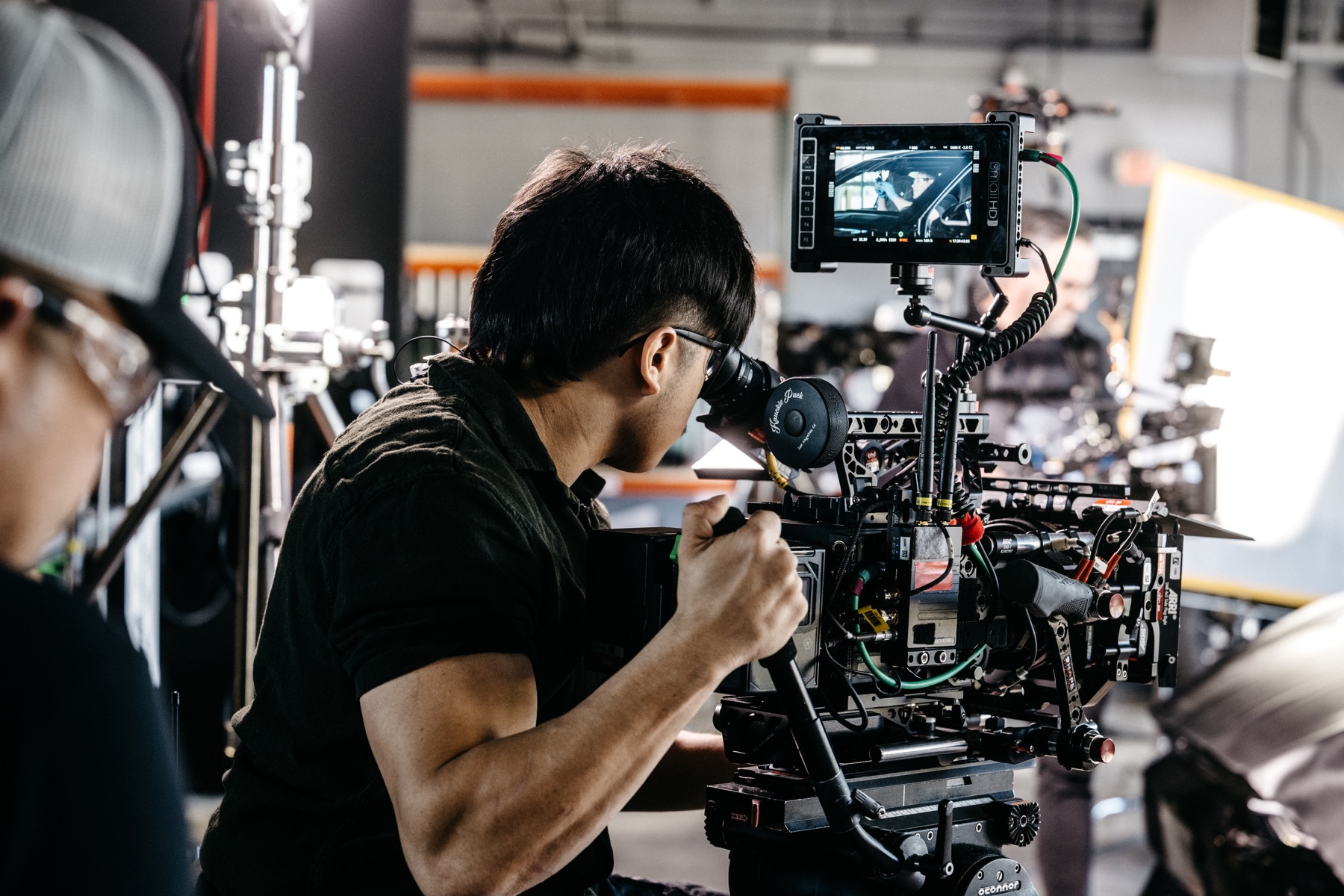
You bring
Knowledge of the product, process, customers, and details the audience needs to understand.
We bring
Experience turning that information into scripts, demonstrations, interviews, animation, and filmed sequences.
The approach follows the assignment
Some products work in ways a standard product shot cannot show. For Axiom’s STRATUS air cleaner, a filmed dust demonstration and animation helped explain how airflow moves through the unit.
See how the STRATUS story came together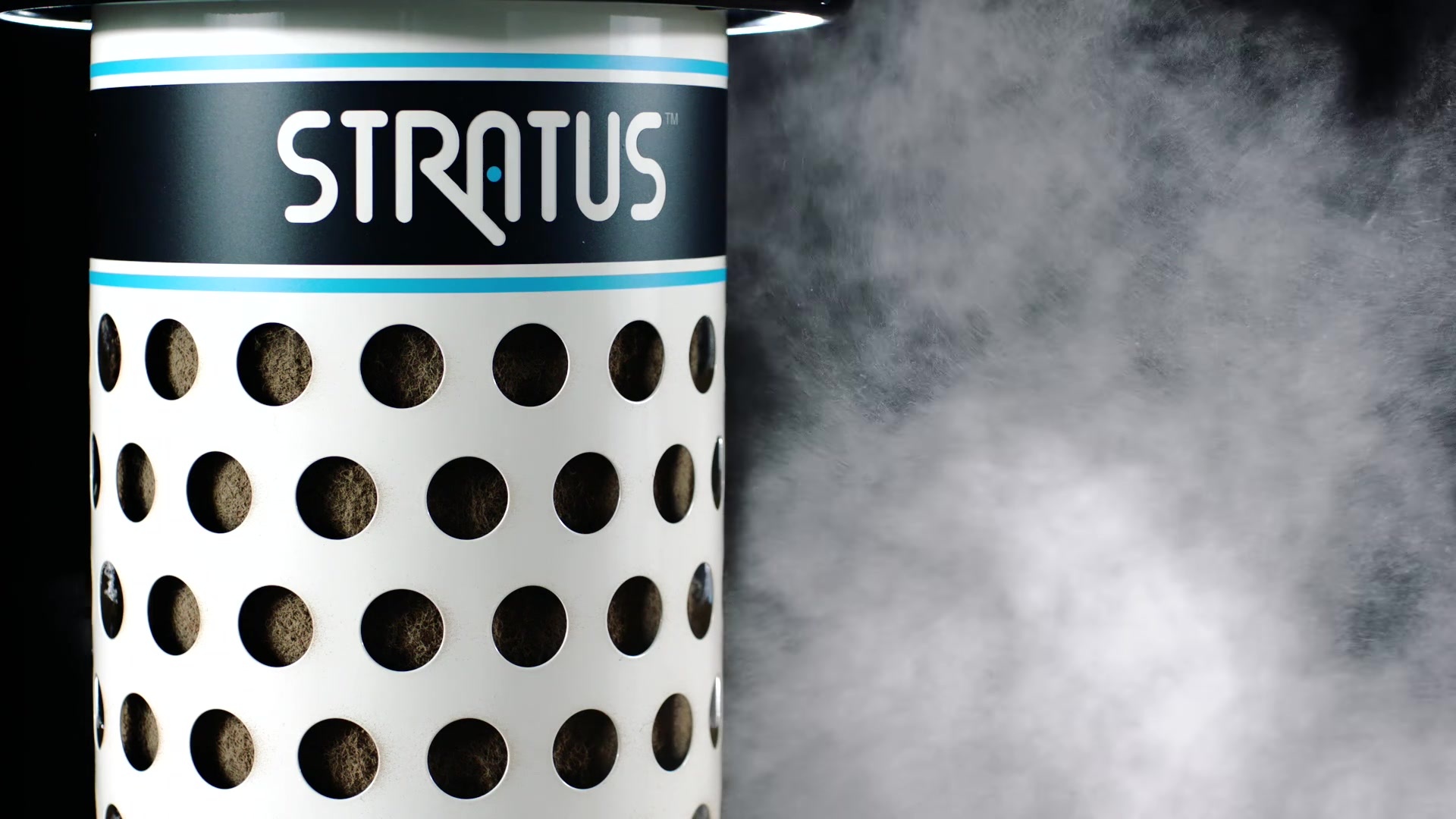
Start with the assignment
Tell us who the work needs to reach, where it will be used, and what you need it to explain.