Work / Scotts Miracle-Gro

Show weeks of growth
in seconds.

Scotts hired us to film a side-by-side comparison of Rapid Grass and a competing product on a tight schedule. We researched the growing conditions, built custom beds and automated five cameras. The footage was composited into a national 30-second commercial.

Custom studio production · Automated time-lapse

Project takeaway

A custom growing and five-camera capture system supplied footage for a national 30-second commercial.

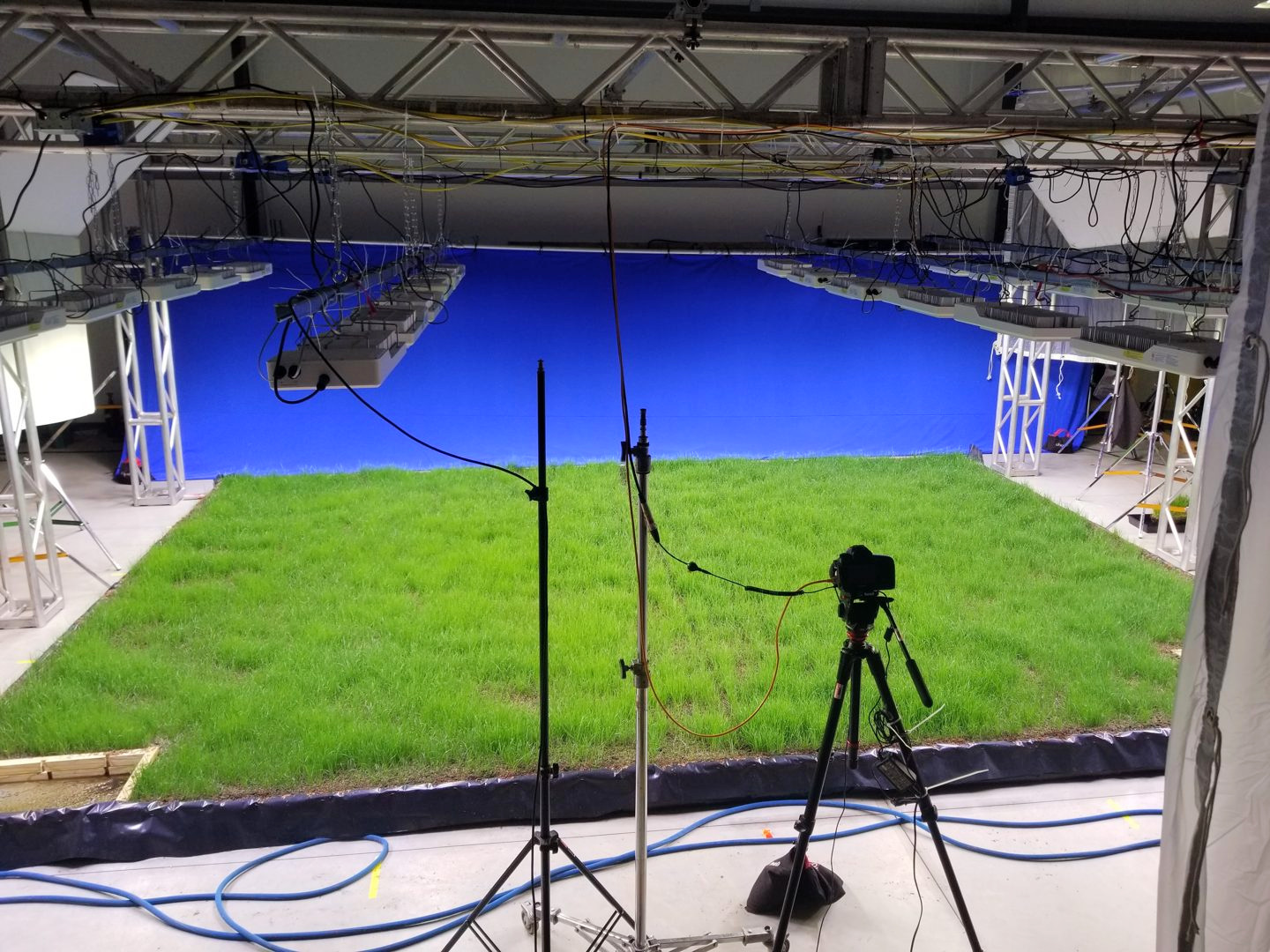
Grass growing in a studio bed with a camera and blue backdrop
The studio growing beds and camera setup for Scotts’ side-by-side comparison.

The challenge

The project had a 31-day delivery window, and the grass needed 24 days to reach maturity. That left just seven days outside the growing period for research, setup and delivery. We had to build an environment that could support both healthy growth and consistent photography.

Our solution

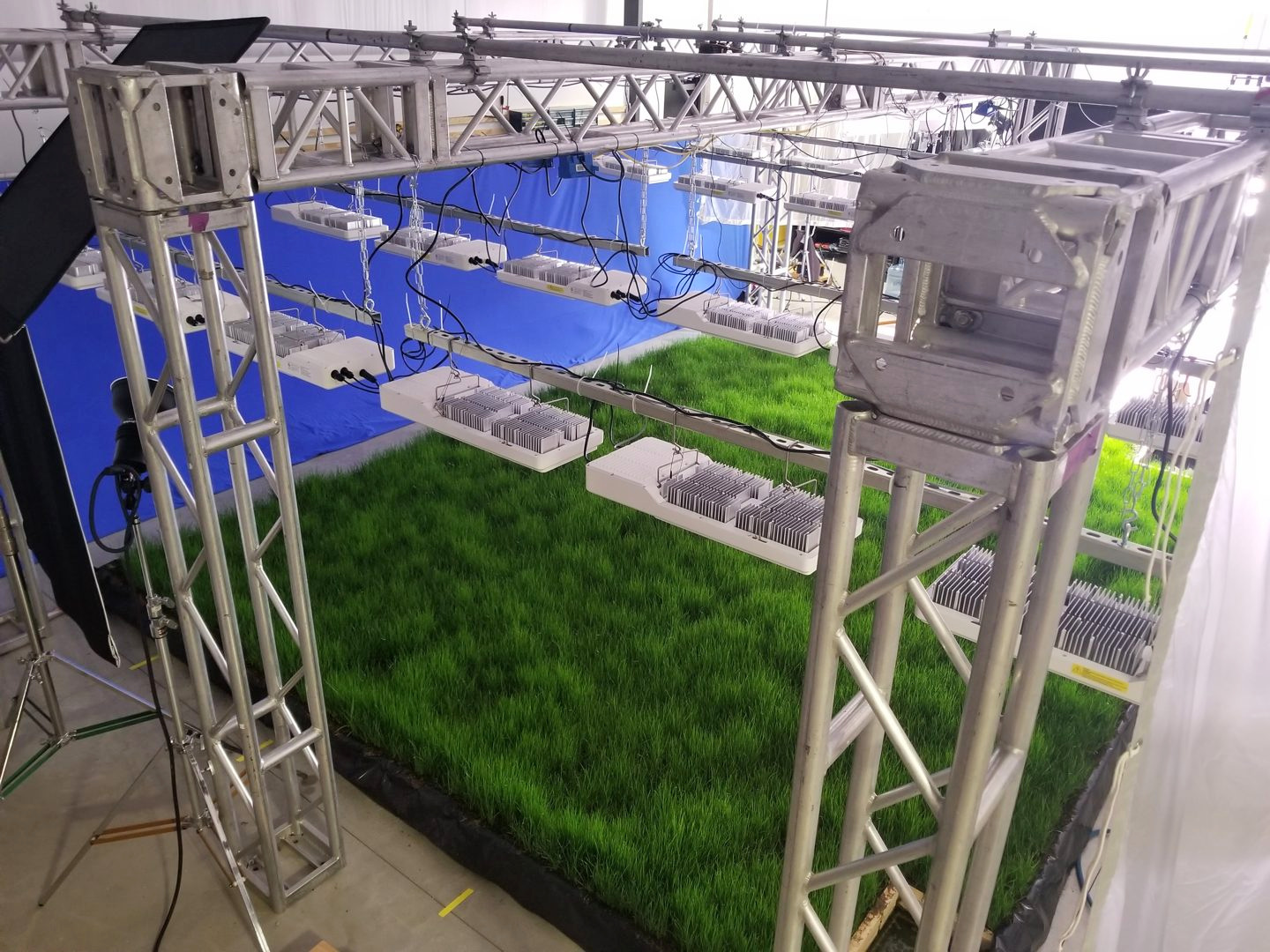
We researched the growing conditions and designed beds that watered from below and drained. A computer-controlled relay system switched between grow lights and photographic lighting, fired five cameras in sequence and uploaded the images every hour. We monitored the capture and adjusted the setup as needed.

The result

  • Footage used in a national 30-second commercial
  • Five camera views delivered for post-production
  • Hourly image uploads for remote client review

Growing-environment research · Custom beds and lighting · Five-camera automation · Remote review

Production for Scotts Miracle-Gro. Powered by OHD Studios.

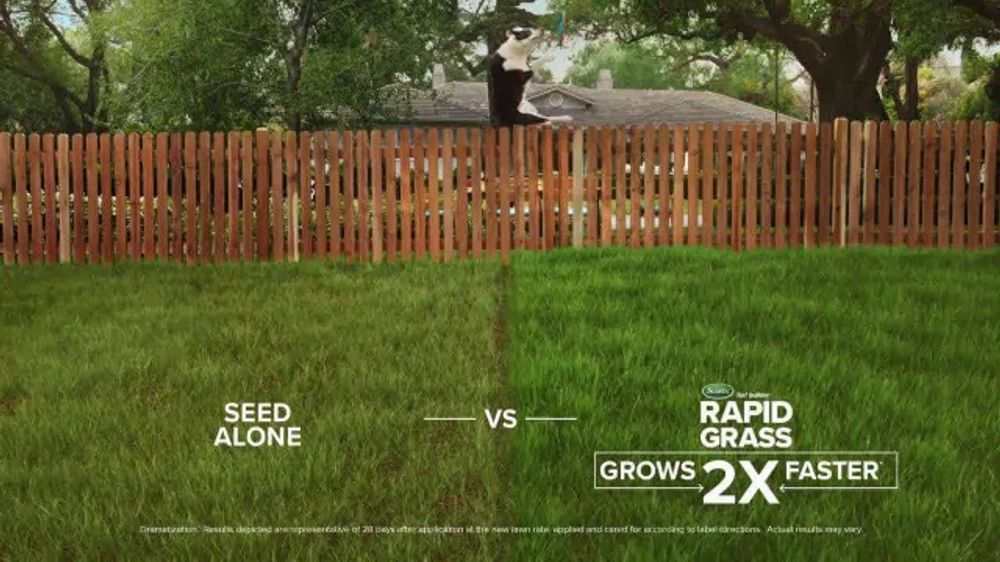
From the finished commercial

From the studio to the screen.

Our time-lapse footage became part of Scotts’ national 30-second commercial. These frames show the final composite and the product it helped introduce.

How it came together

Build the environment. Automate the capture.

The living subject and the camera system had to work together throughout the capture, with hourly images available for remote client review.

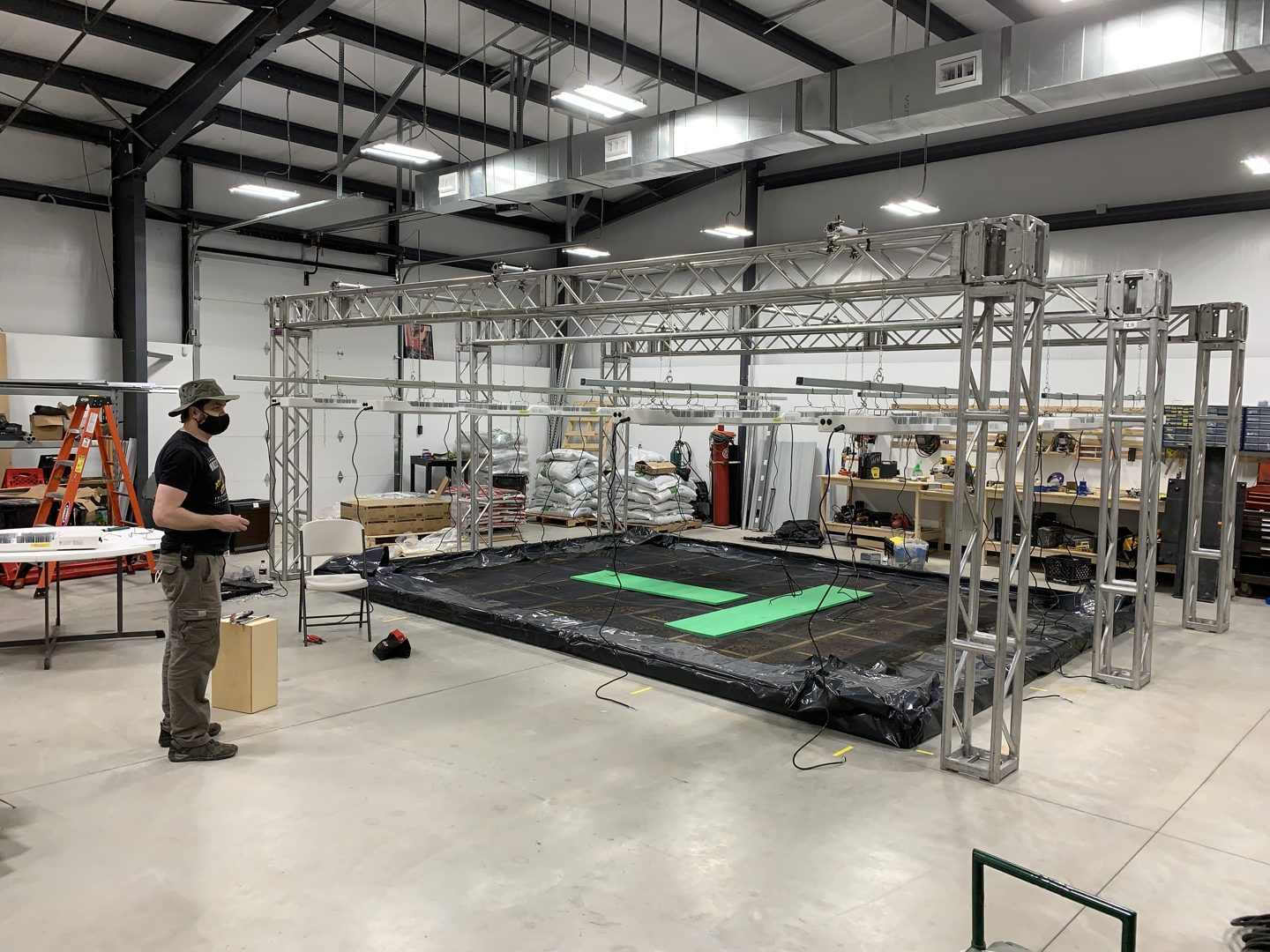
Crew member beside the truss structure for the studio grow bed

Research before the first frame.

Our team researched temperature, humidity, seeding and grow-light schedules, then worked out how to power and hang the lights and position the cameras.

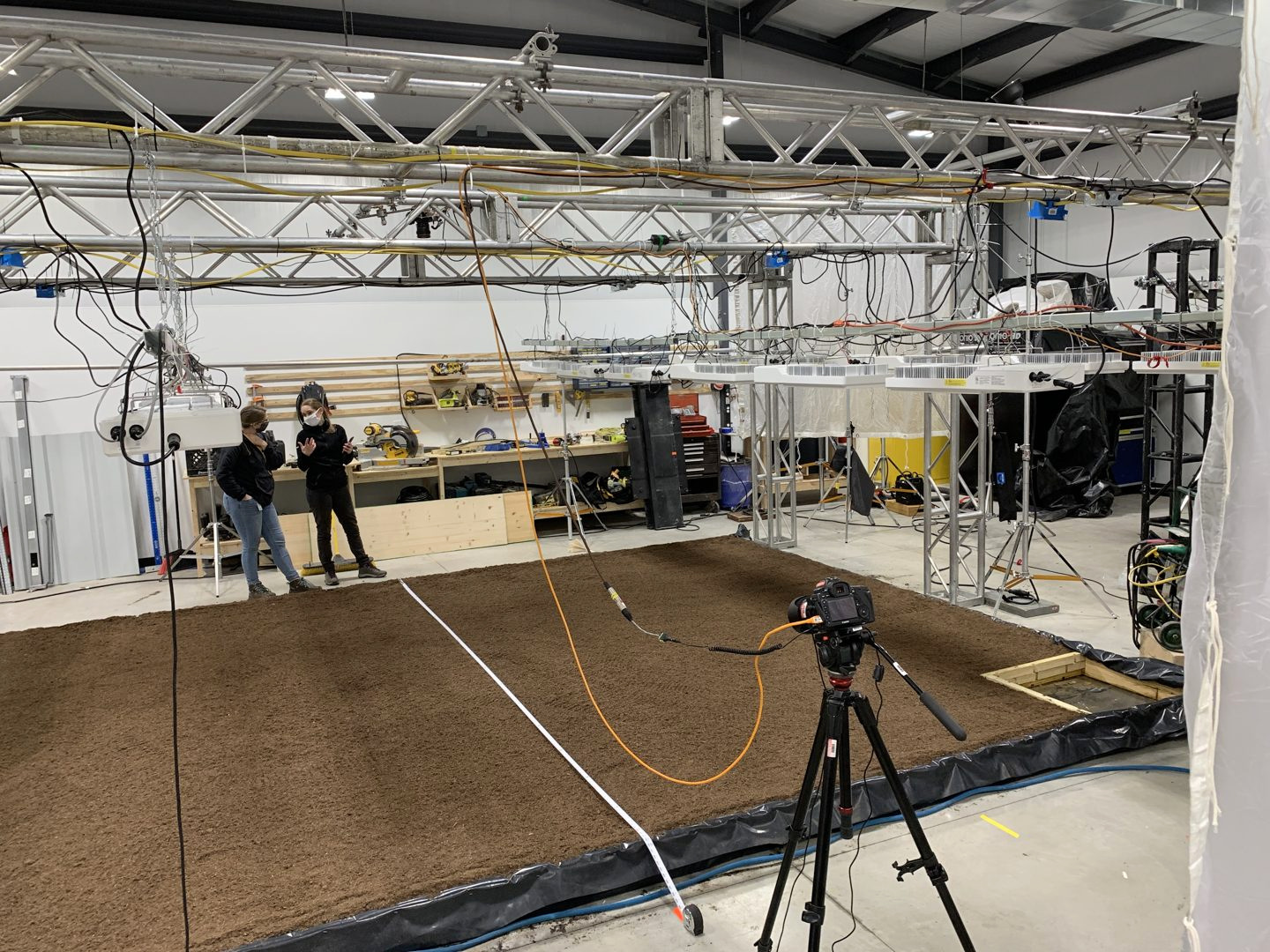
Prepared soil bed with a camera and overhead lighting

Water from below.

We designed the beds to flood from underneath and drain back down. This avoided watering from above, which could flatten the grass and leave visible droplets in the pictures.

Overhead view of grass beds, grow lights, and a studio camera rig

Grow. Capture. Repeat.

Every hour, the relay system turned off the grow lights, switched on photographic lighting and fired all five cameras in sequence. It then restored the grow lights and automatically uploaded the images for Scotts to review.

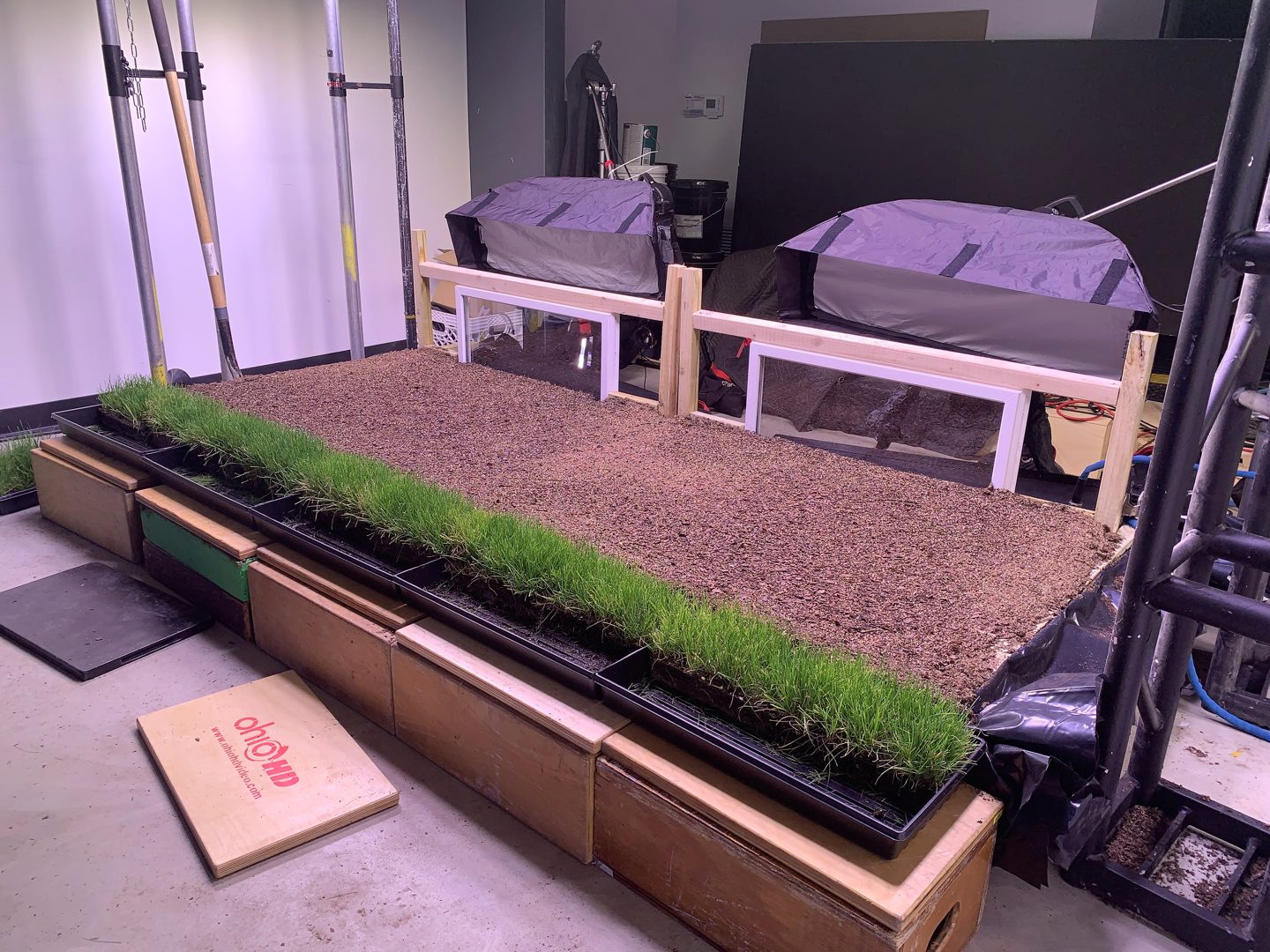
Narrow planted bed arranged for a side view of grass growth

Plan for the view below the soil.

Alongside the main blue-screen growing bed, a separate plexiglass-fronted setup was built to show roots and grass. Early fogging required adjustments to keep the glass clear.

Solutions in Motion.

Need to show a process that takes time?

Tell us what changes, how long it takes and what the audience needs to see. We can explore a practical way to capture it.

Let’s talk